Picture this: you’re sitting at your kitchen table in Hillsborough County, staring at a commission estimate your neighbor just texted you. The number is more than your first car cost. You’re wondering whether you actually need a real estate agent to sell your house. If you are working out how to sell a house without a realtor in Florida, that commission check could stay in your pocket instead.
Good question. And the honest answer is: it depends on what you’re walking into.
Here Is What Every Florida FSBO Seller Should Know First
So, where do you even start if you decide to sell on your own?
Florida’s median single-family home price hit $425,000 as of late May 2026, a 2.4% gain year over year. On a home at that price, the traditional commission alone can run into five figures, which means that’s a real number worth scrutinizing carefully before you sign anything.
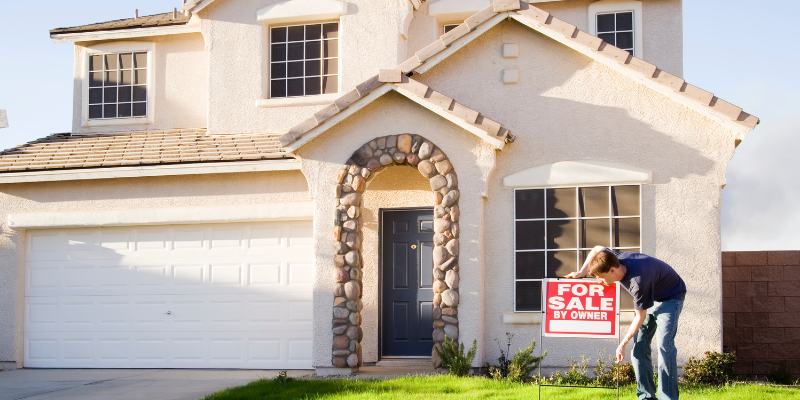
Selling without a listing agent, commonly called FSBO (for sale by owner), means you take on every responsibility the agent would have handled: pricing, marketing, showings, contract negotiations, paperwork, and closing coordination. Some sellers handle all of that just fine. Others get halfway through the process and realize they’re out of their depth. Knowing which type you are before you start saves you from the worst-case scenario of relisting six months later at a reduced price.
Two weeks ago, the Kim family called us from their home in Brandon. They’d gotten a job transfer up to Atlanta with a five-week deadline. Their garage was packed with moving boxes, and they hadn’t listed yet. Managing showings, fielding lowball offers from tire-kickers, and waiting 30 days to find out whether a buyer’s financing fell through was the last thing they had time for. We closed fast, they made the moving truck, and nobody lost sleep over commission math.
That’s one path. The FSBO path is another, and it genuinely works for the right seller. What this article does is tell you exactly what the FSBO path looks like in Florida, from pricing through closing, including the parts most guides leave out.
If at any point you’d rather skip the process and just get a fair cash offer, Cash for Houses Pro is a local resource worth a look. No listings, no showings, no waiting. But read on first, because knowledge is the best starting point.
How to Sell a House Without a Realtor in Florida

People walk into FSBO thinking the hard part is finding a buyer. The paperwork turns out to be a bigger wall than the marketing.
Florida law has specific disclosure requirements, contract forms, title procedures, and documentary stamp tax rules that don’t change just because you skipped hiring a broker. The Multiple Listing Service, the primary database that real estate agents use to share listings, isn’t directly available to homeowners. You’d need to pay a flat fee MLS service to get your property in front of buyer’s agents who are searching that database. Without MLS access, your listing lives only on Zillow, Facebook Marketplace, and whatever yard sign you put up, which cuts your buyer pool down considerably (fewer eyes means fewer offers).
The median days on market in Florida was 72 days as of July 2026, and that’s for homes with full agent marketing behind them. FSBO homes often sit longer unless the price is sharp.
Beyond marketing, you’re also managing buyer inquiries, scheduling showings, vetting offers, reviewing contracts you may have never read before, and coordinating with a title company. Every one of those steps carries real risk if you don’t know what you’re doing. Florida’s real estate contracts run long and include contingencies around inspections, financing, and appraisals, each with specific timelines that, if missed, can void the deal.
That doesn’t mean selling your home FSBO is off the table. It just means success comes from being prepared and understanding what’s involved. For homeowners who are organized, patient, and ready to handle every step of the sale, selling without a realtor in Florida can be a rewarding experience. But if your goal is to sell your house fast in Florida, working with a direct home buyer may offer a faster, simpler solution.
Pros and Cons of Selling Your Home Without a Realtor
The average total commission runs around 5.4%, split between the listing agent and the buyer’s agent when both sides are compensated. On a $400,000 home, that’s roughly $21,600 out of your proceeds at closing.
That savings potential is the main reason sellers attempt FSBO. Skipping the listing agent’s cut saves you the larger piece of that split. The buyer’s agent piece is now negotiable too, since as of August 17, 2024, buyers typically pay their agent directly through a signed agreement, unless the seller agrees to cover it.
The pros of going FSBO are real. You control the timeline and set the showing schedule, and since you know your home better than any listing agent will after a 30-minute walkthrough, you can answer buyer questions on the spot without playing telephone. And you keep the commission.
The cons deserve equal honesty. A good share of FSBO sellers end up bringing in a realtor somewhere in the process. Pricing errors, weak marketing, and contract mistakes are the usual culprits. FSBO sellers struggle most with pricing correctly, selling on time, and navigating paperwork.
There’s also the emotional side. Selling your own home to a stranger who lowballs you, criticizes the kitchen, and demands four rounds of repairs can wear you down fast. Agents act as a buffer. Without one, you’re in every conversation directly.
For sellers with equity to spare, a strong local market, and time to invest, FSBO can pay off. For sellers under a deadline or dealing with a distressed property, the math often flips.
Myths About Selling a Home Without a Realtor in Florida
We used to think FSBO sellers were mainly people trying to squeeze every dollar out of equity they’d spent 20 years building. That’s sometimes true, but the more common story is sellers who simply don’t trust the process and want control.
Myth one: You can’t get on the MLS without a realtor. Wrong. A flat fee MLS service lets you pay a one-time fee, sometimes as low as $300 to $500, to list your property on the local multiple listing service without signing a full listing agreement with a real estate broker. Your property shows up in every buyer’s agent search.
Myth two: buyers won’t make offers on FSBO homes. Also wrong. Plenty of buyers, especially cash buyers and investors, actively search for FSBO listings because they see an opportunity to negotiate without layers of agent involvement.
Myth three: FSBO is always cheaper. This one has a catch. Plenty of FSBO sellers still end up covering the buyer’s agent’s commission themselves. So the savings aren’t always as clean as the headline suggests, especially if you’re offering a buyer’s agent concession to attract more traffic.
Myth four: You need an attorney to close in Florida. You don’t, but having a real estate attorney review your contract is money well spent. Florida is a title company state, so most closings run through a title company rather than an attorney. That said, if a contract dispute arises, an attorney can be the difference between a resolved deal and an expensive mess (title companies won’t take sides).
What Is Your Florida Home Worth?
Stay with this part for a second, because this part matters more than almost anything else in this article.
The price you put on your home is the single decision that either attracts buyers or repels them. Price too high, and you sit. Price too low, and you leave real money on the table. Neither outcome is what you’re going for.
A comparative market analysis, often called a CMA, is the standard tool for getting to the right number. It compares your home to similar properties that have sold recently in your area, adjusting for differences in size, condition, age, and amenities. Agents run these for free as part of their pitch. As an FSBO seller, you can build a rough version yourself using sold data on Zillow or Redfin, though you won’t have access to all the MLS sales data agents can pull (and that gap matters more in slower markets).
For something more precise, a licensed appraiser can run a full home appraisal. Appraisals run roughly $300 to $600 in most Florida markets and give you a defensible, third-party valuation. That number matters later when a buyer’s lender orders their own appraisal; if yours was already close, you’re unlikely to face a surprise shortfall.
Markets vary wildly across Florida. A three-bedroom block home in Kissimmee prices differently than a comparable house in Clearwater or the same square footage in Lakeland. What buyers will pay near the UCF corridor in Orlando differs from what they’ll pay in a golf community in Lake Wales. Relying on statewide averages to price your specific home is one of the most expensive mistakes a FSBO seller makes.
How to Price Your Home Correctly Without an Agent
A seller in Riverview priced her home based on what her neighbor told her he paid for his house three years ago. We see this every month from sellers who call us because we buy houses in Riverview and the rest of Hillsborough County. She was overpriced by $40,000 in a market that had cooled, and she sat on the market for four months before being reduced twice. By the time she closed, she’d lost more than the commission she was trying to save, which is almost always how that math works out.
Accurate pricing starts with recently sold comparables, not active listings. Active listings are just asking prices; sold data tells you what buyers actually paid. Pull sold comps from the last 90 days within a half mile of your property when possible, and within a mile if your neighborhood is sparse. Adjust for square footage (roughly $20 to $50 per foot, depending on market), bed and bath count, garage, pool, and renovation level.
Do you know how your home’s condition compares to the comps you’re looking at? That’s the question FSBO sellers most often skip. If your comp sold fully renovated with quartz countertops and your kitchen still has the original 1998 laminate, you are not the same property.
One pricing strategy that works: come in at or just below the most relevant comp. In a balanced market like much of Florida right now, buyers are more selective than they were two years ago. Homes are sitting a little over two months before going under contract, so a slightly aggressive price point can generate early interest and multiple offers, exactly the leverage you want going into negotiations. Before setting your asking price, it’s worth understanding whether you can sell your house below market value and what that could mean for your finances.
Consider getting a pre-listing home inspection before putting your property on the market. Knowing your home’s condition ahead of time allows you to price it confidently and avoid last-minute renegotiations after a buyer’s inspection. If you’re looking to skip inspections, repairs, and the traditional selling process, we buy houses in Tampa in any condition.
What Does It Actually Cost to Sell FSBO vs. With an Agent in Florida?
Getting this wrong can cost you more than the commission you tried to avoid.
Start with the agent-assisted scenario. On a home at Florida’s $425,000 median price, a full commission at 5.4% runs about $22,950 off the top. Add title insurance, documentary stamp taxes, prorated property taxes, and miscellaneous closing costs, and you’re typically looking at a total seller cost somewhere between 8% and 10% of the sale price, depending on what you’ve agreed to cover for the buyer.
The FSBO scenario saves you the listing agent’s cut, roughly half that commission figure. But the other costs don’t disappear. Florida’s documentary stamp tax charges 70 cents per $100 of sale price statewide (Miami-Dade has a slightly lower rate per $100 but adds an additional surtax). On a $425,000 sale, that’s nearly $3,000 just for the deed tax. Title insurance, the title company’s closing fee, attorney review if you hire one, and a flat fee MLS service add more.
Don’t forget the home inspector catch: even if you skip hiring an agent, the buyer’s lender will likely require an appraisal, and the buyer will almost certainly order an inspection. A home inspector finding $15,000 worth of deferred maintenance on a house you priced assuming nothing was wrong will crater the deal or force a price reduction.
Flat fee MLS services in Florida run $300 to $900, depending on the package. A real estate attorney’s review of your contract can run $500 to $1,500. Budget for professional photography, too, because a phone camera and bad lighting cost you buyers, before they ever walk through the door.
Legal Requirements for Selling Without a Realtor in Florida
The legal piece is where FSBO sellers most commonly underestimate their exposure.
Sellers must disclose any known material defects that affect the property’s value or desirability under Florida law. The Seller’s Property Disclosure form published by Florida Realtors is the standard document. Skipping it or filling it out carelessly can expose you to liability after closing, sometimes years later, if a buyer claims you concealed a defect.
Specific required disclosures in Florida include: radon gas presence, homeowner association rules and fees, any known sinkholes or past sinkhole claims, flood zone status, and any material facts that a buyer would consider relevant to their decision. Living near certain bodies of water carries its own disclosure requirements under state environmental regulations.
The contract itself must meet Florida’s legal standards for a binding agreement. The Florida Realtors/Florida Bar contract form is the industry standard; it’s available through licensed real estate brokers. A binding contract for the sale of real property in Florida must be in writing and signed by both parties, so a handshake deal or verbal agreement won’t hold up if something goes sideways.
Title insurance protects the buyer and lender from claims against the title after closing. In Florida, the seller pays for the owner’s title insurance policy by default, though that’s negotiable. A title company will run a title search to identify any liens, judgments, or encumbrances attached to the property before closing. Unpaid contractor liens or code violations show up here (permit records are public, check them early), so get ahead of those before you go under contract.
Steps to List, Market, and Show Your Home on Your Own
A bad listing photo can sink a good house before a buyer ever reads the description.
Your listing needs three things to work: accurate pricing, MLS access, and professional-quality photos. Everything else is secondary. To get on the MLS, find a flat fee MLS service licensed in Florida, pay the fee, and submit your listing details. Your property will then appear in agent searches and on buyer-facing platforms like Realtor.com.
Most FSBO sellers underestimate how much photography matters. Buyers in markets like Tampa, St. Petersburg, and Sarasota are scrolling through dozens of listings on their phones. Your first photo is a thumbnail. If it’s dark, cluttered, or shot at a bad angle, they tap past you without a second thought.
Price your home, get it listed with MLS access, take or hire professional photos, and then prepare for showings. As an FSBO seller, you’re the one fielding calls, scheduling appointments, and greeting strangers at your door. Keep the house ready to show at short notice (harder than it sounds with kids or pets). Buyers will ask to see a property the same afternoon, and saying “can we do next week?” costs you momentum.
Online listing platforms, including Realtor.com and Zillow, allow owners to post FSBO listings directly, which expands your reach beyond the MLS. Combine those listings with social media sharing and neighborhood word-of-mouth to maximize exposure.
Holding open houses on Saturdays is a Florida tradition in most markets. They work better in higher-density neighborhoods like Seminole Heights, Historic Kenwood, or Old Northeast than they do in rural or exurban areas. Know your market. If showings and open houses are not something you want to take on, we buy houses in St. Petersburg and across Tampa Bay in as-is condition.
How to Handle Offers, Negotiations, and Contracts Without a Realtor
A retired couple in St. Petersburg received three offers in their first week, all at the asking price or above. They’d never read a real estate contract before and didn’t know that two of the three had financing contingencies with 45-day windows that could have delayed or killed the deal. They almost accepted the first offer that arrived because it felt good.
You need to read offers critically. Price matters, but so does the earnest money deposit, the financing type, the inspection period length, the closing timeline, and whether the buyer is asking for seller concessions on top of the purchase price. A cash offer with a shorter close and minimal contingencies can be worth more than a higher financed offer that drags out for two months.
You should counter every offer if the terms aren’t what you want. Sellers who accept the first offer without countering leave money behind most of the time. A simple counter that adjusts closing costs, the closing date, or the price by a few thousand dollars takes minutes to write and costs nothing to send.
Once you agree on terms, the purchase and sale agreement becomes a binding contract. Both parties sign, and the clock starts on all the contingencies in the contract. Missing an inspection deadline or a financing deadline can affect the buyer’s ability to cancel without penalty, so keep a running checklist of every date from the moment the ink dries.
If a buyer comes in unrepresented by an agent, be extra careful. Neither side has a licensee looking out for them, so every term rides on what the contract actually says. A real estate attorney reviewing the contract at this stage is worth every dollar of the fee.
What Paperwork Do You Need to Close a FSBO Sale in Florida?
Closing a house is harder than listing something on Craigslist. A real estate closing in Florida involves a stack of documents, and each one either protects you or exposes you to liability. Here’s what you’re dealing with.
The purchase and sale agreement is your primary contract. It sets the price, timeline, contingencies, and all key terms. In Florida, the standard forms used by the real estate industry are the FR/BAR (Florida Realtors/Florida Bar) contracts. You can find these forms through a title company or a real estate attorney; they’re not freely distributed to the public the way casual buyers assume.
The Seller’s Property Disclosure must be completed honestly and delivered to the buyer early in the process. Any known defects, repairs, or issues go on this form (roof leaks count, even old ones). Florida courts have consistently held sellers accountable when material facts were omitted.
At closing, the title company prepares the closing disclosure and the deed. The deed transfers title from you to the buyer. Florida uses a Warranty Deed in most residential transactions, guaranteeing the buyer a clean title free of claims. If a lien shows up later that you didn’t disclose, that warranty comes back to bite you.
Other documents you’ll encounter: the FIRPTA affidavit (if applicable for foreign sellers), a bill of sale for personal property included in the transaction, a survey (sometimes required by lenders), and various lender-required forms if the buyer is financing.
One practical note: the Florida Bar’s Unlicensed Practice of Law rules limit who can prepare legal documents in a real estate transaction. Using a licensed title company or real estate attorney protects you from that risk.
Common Pitfalls That Florida FSBO Sellers Run Into
Sellers in Florida are contractually required to disclose known defects, but the word “known” gets tested in court more than most people realize. “I didn’t know” is not always a successful defense if a judge decides you should have known.
Beyond disclosure risk, pricing is where FSBO sellers bleed the most money. Overpricing by even 5% in a market where buyers have options means extended days on market, which creates a perception of problems with the property. Buyers who do come will use that market time as leverage in negotiations, and you’ll likely end up accepting less than you would have at a smarter initial price.
Pre-listing without a title check is a mistake seen too frequently. A seller will get under contract only to discover an old code violation from a permit that was never closed out, or a judgment lien from a decade-old lawsuit. Both delay closing and can kill deals. Run your own title search before you list.
Ask for proof of funds on cash offers and a mortgage pre-approval letter on financed offers before you sign anything. A buyer without financing in place or a cash buyer who can’t verify funds will waste weeks of your time.
Open house safety is a real issue, too. Letting strangers into your home without pre-screening them carries risk. At a minimum, ask for a name and contact information at the door.
Finally, don’t underestimate how long the closing process takes, even after you’re under contract. Financing, inspections, appraisals, and title work all run on their own timelines, so a single delay in one area can push everything back. Budget 30 to 60 days from accepted offer to keys in the buyer’s hand.
Linh Coleman had been quietly paying two mortgages for nearly a year when she reached out from her townhouse in Celebration, just outside the Disney corridor. She’d already tried to sell FSBO on her own for months, priced the home correctly, but kept running into buyers who couldn’t get their financing together. The garage was still half full of furniture from her first house, which didn’t help showings. On a Tuesday afternoon, we walked through, made her an offer based on the current condition, and closed before she had to make another double payment. She said the relief wasn’t about the money. It was about getting her life back.
How We Evaluate and Present This Information
How do you know whether the advice in an article like this is actually useful or just a sales pitch?
Fair question. Here’s our answer: this article draws on current market data from sources including Florida Realtors, Redfin, and Zillow, combined with firsthand experience buying and selling homes across Tampa Bay and Central Florida, from Clearwater to Lakeland. When we cite a number, we source it from publicly available data. When we share an opinion, we state it as one.
If you would rather skip the FSBO process entirely, that is what we do. We buy houses across Tampa Bay and Central Florida, we show you how we got to the number, and we give sellers a real alternative when timing or condition makes a traditional listing impractical.
Our goal is to give you information that helps you make a decision that’s right for your situation, whether that’s listing FSBO with a flat fee MLS service, working with a discount broker, hiring a full-service real estate agent, or selling directly for cash. Every path has tradeoffs. This article tries to show them all without glossing over the uncomfortable parts.
If you are looking to sell quickly, Cash for Houses Pro buys houses for cash. Call us today for a fast, hassle-free offer.
Frequently Asked Questions
What Are the Risks of Selling a Home Without a Realtor?
The biggest risk is pricing incorrectly, which leads to either leaving equity on the table or sitting on the market long enough that buyers start wondering what’s wrong with the property. Legal exposure is the second major risk; Florida’s disclosure requirements are strict, and a missed or incomplete disclosure can result in post-closing disputes. You’re also without a professional negotiator when offers come in, which means a savvy buyer’s agent may outmaneuver you on terms even if the price looks right.
Can You Sell Your Own Home in Florida Without a Realtor?
Yes, absolutely. Florida law does not require sellers to use a licensed real estate agent or real estate broker to sell their own property. You handle your own pricing, marketing, showings, contracts, and closing coordination. Most sellers work with a title company to handle the actual closing, and many bring in a real estate attorney at least for contract review. If you want your home on the MLS without a listing agent, a flat fee MLS service is the route to take.
What Is the Hardest Month to Sell a House?
January and February are consistently the slowest months for home sales in Florida, partly because families don’t want to move during the school year and partly because the holiday hangover keeps buyers off the market. November and December trail off too for the same reason. If you can avoid listing in those months, spring through early summer gives you the strongest buyer pool, particularly in Central Florida and along the Gulf Coast, where seasonal traffic peaks.
How Much Tax Do You Have to Pay When You Sell a House in Florida?
Florida has no state income tax, so there’s no state-level capital gains tax on your home sale. At the federal level, most sellers qualify for the primary residence exclusion: up to $250,000 in profit is excluded from federal capital gains tax if you’re single, or up to $500,000 if you’re married filing jointly, provided you’ve lived in the home for at least two of the last five years. You will owe Florida’s documentary stamp tax on the deed at closing, which amounts to 70 cents for every $100 of sale price in most of the state. Consult a tax professional if you’ve recently inherited the property, used it as a rental, or have a large gain above those exclusion thresholds.
If you’ve made it this far and you’re still weighing your options, that’s a good place to be. Selling your Florida home without a realtor is genuinely doable, and for the right seller in the right situation, it makes financial sense. If the process starts to feel like more than you want to manage, or if your timeline just doesn’t leave room for 60 days of showings and negotiations, Cash for Houses Pro is here. No obligation, no pressure, just a fair conversation about what your home is worth and what your options look like.
Helpful Florida Blogs
- Can You Sell a House with Asbestos in Florida?
- Sell Your Fire-Damaged House In Florida
- Selling a water-damaged house in Florida
- How to Sell a Condemned House in Florida
- Earnest Money Rules in Florida
- Can I Sell My House for Less Than Appraised Value
- Can a Seller Refuse Repairs After Inspection
- How To Sell A House Without A Realtor in Florida
- How To Sell A Hoarder House in Florida
- How to Sell House and Move Out of State
- How Much Does It Cost to Stage a House in Florida