
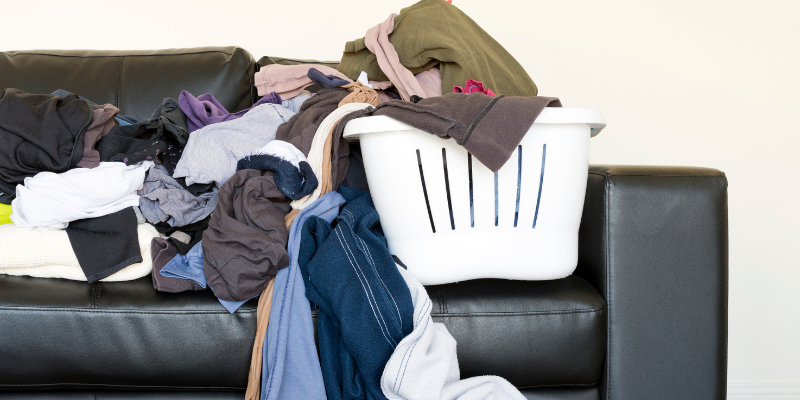
Have you ever stood in the doorway of a house that took your breath away, but not in a good way? Stacks of newspapers touching the ceiling, a path barely wide enough to walk through, and that unmistakable smell that Florida humidity doesn’t help one bit. I’ve walked into properties like that more times than I can count, and I can tell you something the listing sites won’t: these houses sell every day. You just need to understand the market for them.
How to Sell a Hoarder House in Florida
Is selling your home, or a family member’s home, starting to feel like an impossible task because of the sheer amount of stuff inside? This feeling is more common than most people admit out loud, and I’ve heard it from sellers at nearly every stage of the process.
The statewide median sales price for single-family homes in Florida closed out 2025 at $413,990. Even with moderate price softening, that’s still a lot of equity sitting inside four walls, and clutter doesn’t change what the land and structure are worth. The mistake most sellers make is deciding the house is unsellable before they even call anyone. It isn’t. A hoarder property is a different kind of sale, not an impossible one, and I’ve bought enough of them to say that with confidence.
Florida has a large and active pool of real estate investors, cash buyers, and property investors who specifically look for distressed homes. From Brandon to Winter Haven to neighborhoods in St. Pete, buyers are actively searching for properties that need work. Cash sales on distressed homes often close in two to three weeks because they skip the mortgage approval process entirely, which means you’re not sitting around waiting on an underwriter to sign off.
Your ideal path depends on your timeline, your budget for cleanup, and your emotional bandwidth. All three matter.
What Is a Hoarder House and Can You Sell One in Florida?
A seller in Clearwater called me after her mother passed. The house had been accumulating for 40 years; the garage alone held 12 full shelving units. She’d gotten one contractor estimate for remediation, and it came back higher than what she paid for her own car, which I’ve seen shake sellers into full paralysis. She felt stuck.
She wasn’t. A hoarder house, legally speaking, is simply a residential property where accumulated possessions have reached a level that affects habitability, safety, or both. Florida doesn’t have a single state-wide legal definition of hoarding, but local code enforcement in cities like Tampa and Orlando do have health and safety standards that reference clutter, fire egress, and sanitation. Short version: if a home inspector can’t move safely through the property (I’ve seen inspectors refuse to enter), you’re dealing with a property that traditional buyers using financing will struggle to purchase.
Lenders require homes to meet minimum habitability conditions before they’ll fund a mortgage, and that matters. Cash buyers and real estate investors don’t have that limitation. They can close on a home in any condition, which gives sellers more options than they realize (even on badly distressed properties).
Yes, you can absolutely sell a hoarder house in Florida. If your goal is to sell your house fast in Florida, the right selling method will depend on your timeline, budget, and the property’s condition. The same holds true for sellers looking for cash home buyers in Clearwater.
What Are the Real Dangers and Legal Risks of a Hoarder Home?
Some sellers push back here: “It’s just clutter, not a biohazard.” That’s fair sometimes, but often not accurate.
Florida’s heat and humidity batter a hoarder’s home with a specific set of problems inside. Mold grows inside stacks of cardboard and paper within days of water intrusion. Rodents nest in spaces humans can’t reach to clean. Pests like palmetto bugs and termites thrive in the dark corners that clutter creates. These aren’t cosmetic issues; they’re health hazards that affect the structural integrity of the property and create real liability for any seller who doesn’t disclose them.
Under Florida law, set by the Florida Supreme Court in Johnson v. Davis, sellers are required to disclose known material defects that affect the value of the property. A home inspector who spots mold, pest damage, or compromised flooring will note those findings in a report, and those findings become part of the record (that report travels with the transaction). Skipping disclosure creates legal exposure that can follow you long after closing.
There are also code violation risks. Counties like Hillsborough and Pinellas have active code enforcement divisions that will cite properties where accumulated materials block windows, doors, or HVAC systems. Outstanding code violations can cloud a title and delay or kill a sale. Getting ahead of those issues early protects your timeline.
Can a Hoarder House Be Condemned in Florida?
How bad does a property have to get before the county steps in? Florida municipalities don’t issue condemnation orders casually, but they do issue them.
A hoarder home reaches condemnation territory when local officials determine it poses an immediate threat to occupants or the public. This typically follows a complaint from a neighbor, a call from adult protective services, or a report that triggers a code enforcement visit. In cities like Orlando’s Parramore neighborhood or parts of Lakeland’s older residential corridors, code enforcement is active and inspectors aren’t slow to escalate (and they don’t need much to open a file).
If a property receives a condemnation notice, the clock starts ticking. Selling during that window is harder but still possible, particularly to cash buyers who have experience purchasing distressed properties in any legal condition. A seller I worked with had received a code violation notice on a Thursday, which meant the timeline was already compressed before we even started making calls. By the following Tuesday, she had a cash offer on the table and a plan.
Don’t let condemnation anxiety paralyze you into doing nothing. Selling as-is to a qualified buyer is almost always faster, cheaper, and less stressful than fighting through a remediation project on a condemned property.
What Are the Emotional Challenges Sellers Face with a Hoarder Property?

Beyond the physical and legal pieces, the emotional weight is real and often underestimated.
Hoarding is frequently connected to grief, trauma, anxiety, or a specific mental health condition. When a seller is dealing with the estate of a parent or relative, they’re not just sorting stuff. They’re making hundreds of decisions about what a person’s life was worth, what to keep, what to throw away, and what to give to strangers. The process doesn’t follow a schedule.
I’ve seen sellers freeze for months on properties where they genuinely wanted to sell but couldn’t bring themselves to start. The first dumpster gets ordered and then sits in the driveway untouched for three weeks because nobody can agree on what to throw away first. Carrying costs, including taxes, insurance, and utilities, continue regardless of what’s happening emotionally inside the house.
Florida’s Department of Children and Families offers resources for families managing elder care situations tied to hoarding. Selling the property as-is and letting the buyer handle the cleanout is a legitimate option that gives families permission to grieve without a mountain of objects standing between them and closure (and that mountain can be decades deep).
How Do You Prepare and De-clutter a Hoarder House for Sale?
The cleanup estimate comes back, and the number shocks people. Then they either commit to cleaning or they start looking for another way. Both are valid.
The Martinez family, out of Plant City, got a contractor quote to gut and clean a three-bedroom ranch. The estimate covered labor, dumpsters, pest treatment, and mold remediation in the master bath, and it came out to more than what replacing the entire kitchen would cost. They decided to sell as-is instead. That was the right call for their timeline and budget, and I’ve watched that same math play out on cleanout after cleanout.
If you do want to clean before selling, a professional biohazard or hoarding cleanup crew is the better choice over standard movers. Specialized companies understand how to sort items with possible value, handle sanitation concerns, and work without damaging walls or floors in tight corridors (narrow hallways hide a lot of damage). Get at least three quotes, and make sure each one includes debris removal, not just labor.
Document the property’s condition thoroughly with photos before any cleanup begins. That record protects you during the sale. OSHA’s guidelines on indoor air quality are a useful reference for understanding what a professional cleaning team should address in properties with long-term moisture or sanitation issues.
Sellers who work with cash buyer companies that buy houses in Tampa can avoid all of the hassle, no cleanup costs, no contractor negotiations, and no dumpsters in the driveway.
Which Professional Services Help You Sell a Hoarder House Fast?

A seller who found us searching for cash home buyers in Lake Wales had a hoarder home she’d inherited from an uncle. By the time she called, she’d already spent four months researching renovation costs and talking to three real estate agents, which meant she knew exactly what a traditional sale would cost her. Six days after calling a cash buyer, she was under contract.
Two categories of professionals actually move the needle: specialized cleanup companies and cash buyers or real estate investors. A real estate agent who primarily handles standard listings isn’t wrong to list a hoarder property, but their buyer pool and advice on repairs often doesn’t account for the real costs and timelines a distressed property creates. That gap between what the agent promises and what happens at inspection is where deals fall apart.
Biohazard remediation companies in Florida handle exactly these situations. They’re licensed, they understand health and safety considerations, and many will work with estate or probate attorneys when the property is tied to a deceased owner’s estate. Probate processes in Florida can add months to a sale timeline, so having professionals who understand that intersection of probate law and property condition is a genuine advantage.
Cash For Houses Pro buys Florida properties as-is, which means no cleanup requirement, no repair demands, and no open house with strangers walking through a property you’re not ready to show. For sellers in time-sensitive situations (and I’ve seen plenty of those), that directness matters.
How Do You Market and Price a Hoarder House in Florida?
Price it wrong, and the property sits, which is the worst outcome for a hoarder home in a market where even clean properties are taking longer to move.
Florida’s median time to contract for single-family homes hit 58 days in the first quarter of 2026, up 9.4 percent from a year earlier. A hoarder house listed on the open MLS at a price that doesn’t account for condition will sit even longer, and every additional month adds carrying costs and signals to buyers that something is wrong.
The right approach starts with an honest assessment of the after-repair value of the home, then subtracts realistic renovation costs, holding costs, and a margin for the buyer’s risk. Cash buyers and real estate investors run this math and make offers accordingly. Sellers who understand that math going in don’t feel blindsided by the offer.
Carlos Delgado had been quietly paying two mortgages for almost a year by the time we spoke. He’d inherited a property in Tarpon Springs from his father’s estate, a 1960s block home with a garage packed with marine equipment and decades of spare parts. He’d listed it with an agent, gotten no offers in four months, and was draining his savings. We closed his sale in under three weeks.
Sellers who prefer the traditional listing route should work with a real estate agent experienced in marketing distressed or as-is properties. Pricing the home at or slightly below comparable distressed sales in the same ZIP code, providing clear disclosure documents, and targeting real estate investors through focused marketing can help attract serious buyers.
Marketing a hoarder home to buyers looking for a move-in-ready property is rarely effective, as most will lose interest once they see the home’s condition. For homeowners who want to avoid repairs, cleaning, and lengthy listing timelines, Cash for Houses Pro buys houses cash, so call us today for a fast, hassle-free sale.
Frequently Asked Questions
What Should You Do If You Inherit a Hoarder House?
Start by getting a clear picture of the property’s legal status: check for outstanding code violations, unpaid taxes, and any active probate filings. You don’t have to clean anything before you make a decision. Reach out to a cash buyer for an as-is offer first so you understand what the property is worth in its current condition, then weigh that against what a cleanup and traditional listing might realistically yield after costs and time.
How Do You Actually Sell a Hoarder Home?
You have two main paths: sell as-is to a cash buyer or real estate investor, or clean and list it on the open market. Selling as-is is faster, skips remediation costs, and works regardless of property condition. Listing traditionally can yield a higher sale price but requires time, money, and a buyer who can secure financing on a property that may not meet standard habitability requirements.
How Much Does It Cost to Sell a $300,000 Home?
Expect to give up somewhere between 6 and 10 percent of your sale price when selling through a traditional real estate agent, and most of that goes to agent commissions on both sides of the deal. On a $300,000 home, that’s $18,000 to $30,000 before you factor in closing costs, title fees, or any concessions a buyer negotiates. Cash buyers charge no commissions and typically cover closing costs, which changes the math meaningfully for sellers in distressed situations.
How Do You Sell a House Full of Clutter?
You don’t have to empty it first. Cash buyers and real estate investors purchase homes with all contents left inside. If you go the traditional route, a professional hoarding cleanup crew is a better investment than standard movers because they understand sanitation, mold risks, and how to handle pest evidence common in Florida homes. Either way, disclosing known property conditions in writing protects you legally and keeps the sale from falling apart at inspection.
Helpful Florida Blogs
- Can You Sell a House with Asbestos in Florida?
- Sell Your Fire-Damaged House In Florida
- Selling a water-damaged house in Florida
- How to Sell a Condemned House in Florida
- Earnest Money Rules in Florida
- Can I Sell My House for Less Than Appraised Value
- Can a Seller Refuse Repairs After Inspection
- How To Sell A House Without A Realtor in Florida
- How To Sell A Hoarder House in Florida
- How to Sell House and Move Out of State
- How Much Does It Cost to Stage a House in Florida