Ready To Sell Your Home?

  • This field is for validation purposes and should be left unchanged.

Sell Your Water Damaged House Fast In Florida Without Costly Repairs

Need to sell your water-damaged Florida home? Learn proven strategies, legal requirements, and pricing tactics to maximize your sale in any condition.

How to Sell a Water Damaged House in Florida: Complete Property Owner Guide

Your water-damaged home doesn’t have to become a financial nightmare. I’ve helped hundreds of Florida homeowners navigate this exact situation, and I’ll tell you straight: selling a water-damaged house in the Sunshine State isn’t as complicated as you think. It just requires the right approach.

Let me share what I’ve learned from buying properties across Jacksonville, Tampa, Miami-Dade, and everywhere in between. Water damage happens here. Between our hurricane seasons, afternoon thunderstorms, and aging infrastructure, it’s almost inevitable. But that doesn’t mean you’re stuck with a worthless property.

The first thing you need to understand is that water damage doesn’t automatically disqualify your home from the market. I’ve purchased homes in Clearwater that sat in three feet of storm surge from Hurricane Ian, properties in Fort Lauderdale with burst pipe damage, and houses in Orlando where AC units leaked for months. Each one had buyers willing to pay fair prices.

Your biggest decision isn’t whether you can sell. It’s how you want to sell. You’ve got three main paths: fix everything first and list traditionally, sell as-is to a cash buyer, or find something in between. Each approach works, but they’ll give you different timelines and payouts.

In March 2026, home prices in Florida were up 1.8% compared to last year, selling for a median price of $417,000. That’s good news for sellers, even those dealing with damage. The market’s still moving, and buyers are out there looking for opportunities.

Assessing Flood Damage Severity: Hurricane Impact on Florida Real Estate Values

Water damage isn’t all created equal. I’ve seen homeowners panic over minor AC leaks while others underestimate serious structural issues. You need to know what you’re dealing with before making any decisions.

Minor water damage might be surface-level flooring, drywall that needs replacing, or cosmetic issues you can see and touch. This stuff’s annoying but manageable. Major damage involves structural problems, electrical systems, HVAC components, or anything that affects the home’s safety and integrity.

In such cases, the extent of the damage, the property’s flood history, and the associated risk factors can result in a reduction in value ranging from 20% to 30%. That’s for homes with significant flood damage and documented history. But here’s what most people don’t realize: the impact depends heavily on how you handle the situation.

Hurricane damage creates its own category. For example, after Hurricane Ian in 2022, neighborhoods in Fort Myers Beach and Naples experienced an almost complete freeze in sales for several months. But markets recover. Properties that seemed worthless immediately after a storm often bounce back within 12-24 months.

I’ve bought homes in Cape Coral, Bonita Springs, and Sanibel that looked like total losses after Hurricane Ian. Smart investors know that Florida rebuilds, markets stabilize, and life goes on. The key is realistic pricing and honest disclosure about what happened.

Professional Water Damage Inspection: Required Documentation for Florida Home Sales

Before you do anything else, get a professional assessment. I don’t mean your neighbor who “knows about houses.” I mean a licensed inspector who understands Florida’s specific challenges: humidity, mold potential, foundation issues, and electrical concerns.

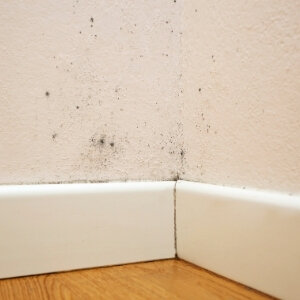
A proper inspection should cover structural integrity, electrical systems, plumbing, HVAC, and potential mold growth. In Florida’s climate, mold can start growing within 24-48 hours of water exposure. That’s not just a cosmetic problem; it’s a health hazard that can tank your sale.

Documentation matters more than you think. I’ve seen deals fall apart because sellers couldn’t prove they’d addressed water damage properly. Keep receipts for any remediation work, photos of the damage and repairs, and professional reports from contractors or restoration companies.

If you’re selling as-is, that documentation becomes even more important. Buyers want to know what they’re getting into. Transparency actually helps your case. When I see a seller who’s got everything documented and organized, I’m more likely to make a competitive offer because I trust what I’m seeing.

Florida Insurance Claims Process: Maximizing Coverage Before Selling Your Home

Here’s something most homeowners get wrong: they either rush to sell before dealing with insurance, or they assume insurance won’t help. Both approaches cost money.

The average insurance payout for water damage in the United States is approximately $12,514 (average baseline), according to the Insurance Information Institute. That’s not pocket change. Even if you’re planning to sell as-is, that insurance money could significantly impact your bottom line.

Florida’s insurance landscape is tricky right now. Citizens Insurance rates are dropping an average 8.8% for homeowners multiperil in 2026, but Florida still has the highest average premiums in the nation (over $6,000/year in most coastal counties). Despite high premiums, your coverage might be better than you think.

The key is acting fast. Florida law bars new or reopened property insurance claims unless notice is given within one year of the date of loss; supplemental claims must have notice within 18 months. Miss those deadlines and you’re out of luck.

I’ve worked with companies like Cash for Houses Pro who understand how to coordinate insurance claims with quick sales. Sometimes it makes sense to pursue the claim first, sometimes it’s better to sell immediately. The right answer depends on your specific situation, but you need professional guidance to figure it out.

Renovation Cost Estimates: Repair vs Sell Decisions for Water Damaged Florida Homes

This is where most homeowners struggle. Should you fix everything and try for top dollar, or cut your losses and sell as-is? I’ll be straight with you: there’s no universal right answer.

The typical price range to restore water damage across is between $1,381 and $6,350. But that’s for minor damage. Major flood restoration in Florida can easily hit $25,000-$50,000 or more, especially if you’re dealing with mold remediation, electrical work, or structural repairs.

Here’s my rule of thumb: if repair costs exceed 15-20% of your home’s pre-damage value, selling as-is usually makes more financial sense. Why? Because you’ll never recover 100% of your repair investment, and you’ll be carrying holding costs, stress, and market risk while the work gets done.

Let’s say you’ve got a $300,000 house in Sarasota with $40,000 in water damage. You could spend the money and time fixing everything, hoping to get full market value. Or you could sell as-is to an investor for maybe $240,000-$260,000 and be done in two weeks. Both approaches work, but one gives you certainty and speed.

Understanding Florida Water Damage Laws and Disclosure Requirements for Home Sales

Florida’s disclosure laws changed significantly in 2024, and you need to know about them. Effective October 1, 2024, Florida Statute § 689.302 mandates that sellers of residential real property provide a separate Flood Disclosure to prospective buyers.

This isn’t optional anymore. Sellers are now required to complete and sign a specific Flood Disclosure form and provide it to the buyer separately from the sale contract. The form covers flood insurance claims, federal assistance, and whether the property has experienced flooding.

What counts as flooding? For the purposes of the disclosure, the bill defines “flooding” as the general or temporary overflow of inland or tidal waters, surface water accumulation, or sustained standing water from rain. That’s broader than most people think. Even if your damage came from a burst pipe or AC overflow, you might still need to disclose depending on the circumstances.

Honestly, most agents won’t tell you this, but proper disclosure actually helps your sale. When buyers know what they’re getting upfront, there are fewer surprises during inspection and fewer deals falling apart at the last minute. Transparency builds trust, and trust closes deals.

Mold Remediation Requirements: Florida Building Codes for Damaged Property Sales

Mold is the silent killer of water-damaged property sales in Florida. Our humidity makes it almost inevitable after any significant water intrusion. You can’t just paint over it and hope buyers don’t notice.

Professional mold remediation isn’t cheap, but it’s often necessary for a successful sale. Even if you’re selling as-is, buyers want to know the scope of any mold issues. I’ve seen properties sit on the market for months because sellers tried to hide mold problems instead of addressing them upfront.

Florida building codes are specific about mold remediation, especially for properties that’ll be financed with conventional loans. FHA and VA loans are even stricter. If you’re hoping to attract retail buyers (not just cash investors), proper mold treatment isn’t optional.

Here’s what nobody mentions: sometimes it’s cheaper to sell to a cash buyer who’ll handle mold remediation themselves. Investors like Cash for Houses Pro deal with these issues regularly and can price them into their offers. You might net more money selling as-is than spending $15,000 on mold treatment first.

Title Issues and Water Damage: Clearing Property Records for Florida Home Sales

Water damage can create title complications you might not expect. If you’ve filed insurance claims, received FEMA assistance, or had contractors place liens for unpaid work, these issues need resolution before closing.

Insurance claim records become part of your property’s history. Some buyers and lenders want to see documentation proving claims were resolved properly. If you had flood damage and received federal assistance, that information might appear in public records.

Contractor liens are particularly problematic. If you had emergency water damage repairs and disputes arose over payment, mechanics’ liens could cloud your title. I’ve seen deals delayed for weeks while sellers sorted out lien issues they didn’t even know existed.

The good news is that most title issues are solvable with proper preparation. Work with a real estate attorney or experienced agent who understands Florida’s specific requirements. Don’t wait until you’re under contract to discover problems.

Florida Real Estate Market Trends: Water Damaged Property Demand and Pricing

The Florida market for water-damaged properties is more active than most people realize. Median Prices Decrease Slightly: Florida’s median closed price is $408,805 in Q3 2025, down slightly from last year. But that’s overall market data. Distressed properties often move differently.

In Q3 2025, the inventory reached 127,109 units, marking a significant increase of 24.5% from 102,090 units in Q3 2024. More inventory generally means more negotiating power for buyers, but it also means more opportunities for sellers who price aggressively.

I’m seeing strong investor demand in markets like Jacksonville, Tampa, Orlando, and South Florida. Investors understand that water damage is often cosmetic and that Florida properties have long-term appreciation potential despite short-term challenges.

Following the 2024 hurricanes in the Tampa Bay area, there was a “decent bump” in homes that were selling in the months after the storm. These were homes that needed a gut job and were being sold to those who flip and renovate houses. That tells you there’s active demand for damaged properties when they’re priced appropriately.

Cash Buyers vs Traditional Sales: Best Options for Water Damaged Properties

This decision often comes down to speed, convenience, and net proceeds. Traditional sales might get you higher gross prices, but they come with costs, delays, and uncertainty that cash sales avoid.

Traditional sales require repairs, staging, marketing, and dealing with buyer financing. In Florida’s current market, the median days on the market was 77 days, up 5 year over year. That’s for normal properties. Water-damaged homes often take longer, especially if buyers need financing.

Cash buyers can close in 7-14 days and take properties in any condition. You’ll typically get 70-85% of retail value, but you avoid repair costs, carrying costs, and the risk of deals falling through. For many sellers, especially those facing foreclosure or needing to relocate quickly, cash sales make perfect sense.

I’ve worked with reputable cash buying companies across Florida. Cash for Houses Pro is one I’d recommend for water-damaged properties because they understand the specific challenges and can provide realistic timelines and pricing.

Investor Networks Specializing in Florida Storm Damaged Properties

Florida has a robust network of investors who specifically target storm and water-damaged properties. These aren’t predatory buyers looking to take advantage; they’re professionals who understand renovation costs and can move quickly when sellers need speed.

Real estate investment groups in major Florida markets have developed expertise in hurricane and flood damage. They know local contractors, understand permitting requirements, and can accurately assess repair costs. This knowledge lets them make competitive offers on properties that traditional buyers might avoid.

Wholesalers also play a role in this market. They contract properties from distressed sellers and assign those contracts to investors who’ll do the actual renovation work. This can be a good option if you need to close quickly but want to ensure your property goes to someone with renovation experience.

The key is working with established, reputable investors. Ask for references, verify their track record, and make sure they can prove funds for closing. Legitimate investors won’t pressure you or require upfront fees.

Alternative Selling Methods: Auctions and Wholesale Options for Florida Damaged Homes

Auctions aren’t just for foreclosures anymore. Real estate auctions can be effective for water-damaged properties, especially if you’re comfortable with the uncertainty of auction pricing.

Online auction platforms have made this option more accessible. Properties sell to the highest bidder, often with quick closing timelines. The downside is that you might get less than expected if bidding isn’t competitive.

Wholesale options involve selling your contract to an investor rather than going through traditional closing. This can work if you need to get out of a property quickly but don’t want to handle the renovation yourself. Wholesale buyers typically pay 60-70% of after-repair value, minus their profit margin.

Both auctions and wholesale deals require careful evaluation. Make sure you understand the terms, fees, and your net proceeds before committing. These methods work best when speed matters more than maximizing price.

Marketing Strategies: Attracting Qualified Buyers for Damaged Properties in Florida

If you decide to list traditionally, your marketing needs to be strategic. Water-damaged properties require different positioning than typical homes.

Transparency works better than trying to hide issues. Lead with the property’s potential rather than dwelling on current problems. Highlight location, lot size, architectural features, or neighborhood amenities that will remain valuable after repairs.

Professional photos matter more for damaged properties, not less. Show the damage honestly, but also capture the home’s bones and potential. Many buyers can envision possibilities if you help them see past current conditions.

Pricing is critical. Overpriced damaged properties sit on the market forever, attracting only lowball offers. Price aggressively from the start to generate activity and competitive bidding among investors and renovation-minded buyers.

Consider targeting investor groups directly rather than just hoping they’ll find your listing. Many investors work through networks and referrals rather than browsing MLS listings.

Negotiation Tactics: Pricing Strategies for Water Damaged Florida Real Estate

Pricing water-damaged properties requires understanding your buyer pool and their motivations. Retail buyers want move-in ready homes. Investors want profitable projects. Price for the audience you’re targeting.

Start by determining your property’s after-repair value (ARV). That’s what it would sell for in perfect condition. Then subtract estimated repair costs, holding costs, and buyer profit margins. What’s left is your realistic price range.

I typically see successful pricing at 60-80% of ARV, depending on damage severity and local market conditions. Properties needing cosmetic work might sell for 80% of ARV. Properties with structural issues might need to hit 60-65% to attract serious buyers.

Be prepared to negotiate on inspection findings. Even as-is sales often include inspection periods where buyers can renegotiate based on what they discover. Price your property assuming some additional negotiation will occur.

Don’t get emotional about pricing. The market doesn’t care what you paid for the house or how much you’ve invested in it. Price for current condition and market reality.

Quick Sale Timeline: Expedited Closing Process for Distressed Florida Homes

Speed often matters more than price for water-damaged property sales. Whether you’re facing insurance deadlines, carrying costs, or personal circumstances, quick closings can save money and stress.

Cash sales offer the fastest timelines. Legitimate cash buyers can close in 7-14 days because they don’t need loan approvals, appraisals, or extensive inspections. This speed comes at a price discount, but it eliminates uncertainty and carrying costs.

Traditional sales take longer but aren’t necessarily slow. With proper pricing and marketing, damaged properties can attract offers within 2-4 weeks. Factor in inspection periods, loan processing, and closing coordination, and you’re looking at 45-60 days total.

The key to quick sales is preparation. Have your documentation organized, know your bottom-line price, and be ready to make decisions quickly when offers arrive. Indecision and delay kill deals in any market, but especially with distressed properties.

Legal Considerations: Liability Protection When Selling Flood Damaged Florida Real Estate

Selling water-damaged property carries legal risks that normal sales don’t. Proper disclosure protects you from future liability, but you need to understand what’s required and what’s recommended.

Florida’s new flood disclosure requirements are mandatory, but they don’t cover all water damage scenarios. You’re still required to disclose any known material defects that could affect property value or safety. When in doubt, disclose.

Mold issues create particular liability concerns. If you know about mold problems and don’t disclose them, you could face lawsuits from buyers who discover issues after closing. This is true even for as-is sales.

Work with experienced real estate attorneys who understand Florida’s disclosure requirements and liability issues. The cost of proper legal guidance is minimal compared to potential lawsuit exposure.

Keep detailed records of everything: damage discovery, remediation efforts, contractor work, insurance claims, and communications with buyers. Documentation protects you if disputes arise later.

Tax Implications: Capital Loss Deductions for Florida Water Damaged Property Sales

Water damage can create tax implications that affect your net proceeds from sale. Understanding these issues helps you make better decisions about timing and pricing.

If you sell for less than your tax basis (usually what you paid plus improvements), you might have a capital loss. Capital losses can offset capital gains from other investments, potentially saving taxes elsewhere.

Insurance proceeds complicate the tax picture. If you receive insurance money for damage, that might affect your basis calculation. The timing of insurance receipts versus sale proceeds can impact your tax situation.

Disaster-related losses might qualify for special tax treatment if your area received federal disaster declarations. These provisions can allow immediate deductions rather than waiting for sale completion.

Consult with tax professionals who understand real estate transactions and disaster-related tax provisions. Tax planning should influence your timing and strategy for selling water-damaged property.

Post-sale Considerations: Moving Forward After Selling Your Damaged Florida Property

Selling a water-damaged home often feels like failure, but it’s usually the smartest financial decision. Once you’ve closed, focus on moving forward rather than dwelling on what happened.

If you’re staying in Florida, consider what you’ve learned about flood risk and insurance coverage. Your next home purchase should factor in elevation, flood zones, and insurance requirements. Many buyers become much more educated about these issues after experiencing water damage.

Insurance claim history follows you, not the property. If you file claims on your current home, that history affects your rates on future properties. This is another reason why quick sales sometimes make more sense than extensive insurance claims.

Consider your financing options for your next home. If you lost money on your damaged property sale, you might need time to rebuild your down payment and credit position. Plan accordingly rather than rushing into another purchase.

Document your experience for future reference. Keep records of what happened, how you handled it, and what you learned. This information could be valuable if you face similar situations in the future.

Frequently Asked Questions

Do You Have to Disclose Water Damage When Selling a House in Florida?

Yes, Florida law requires disclosure of flood-related damage and claims as of October 2024. You must also disclose any known material defects that could affect the property’s value or safety, which includes significant water damage from any source. Even for as-is sales, proper disclosure protects you from future liability and helps build buyer trust.

What Are the Worst Months for Selling a House?

In Florida, hurricane season (June through November) can slow sales of water-damaged properties as buyers become more cautious about flood risk. However, the worst months are typically December and January when fewer buyers are actively looking. For damaged properties specifically, timing matters less than pricing and proper disclosure.

What Is the Average Insurance Payout for Water Damage in Florida?

The average insurance payout for water damage nationally is approximately $13,954, but Florida payouts can vary significantly based on the source of damage and policy coverage. Flood damage requires separate flood insurance and isn’t covered by standard homeowners policies. Many Florida policies now include limited water damage coverage caps, especially for older homes.

What Devalues a House the Most?

Flood damage and documented flood history typically devalue Florida homes by 20-30%, making it one of the most significant value impacts. Other major devaluation factors include structural damage, mold problems, and being located in high-risk flood zones. However, proper remediation and transparent disclosure can minimize these impacts and attract qualified buyers.

Water damage doesn’t have to be the end of your homeownership story. I’ve seen hundreds of Florida homeowners successfully navigate these challenges and move on to better situations. The key is making informed decisions based on your specific circumstances rather than panicking or hoping problems will disappear.

Whether you choose to repair and list traditionally, sell as-is to a cash buyer, or explore alternative options, focus on what makes the most financial and personal sense for your situation. Companies like Cash for Houses Pro can provide no-obligation assessments to help you understand your options.

If you want to talk through your specific situation, reach out. No pressure, no obligation. Sometimes having an experienced perspective helps you see possibilities you might have missed. Florida’s real estate market is resilient, and there are always solutions for motivated sellers who understand their options.

Get More Info On Options To Sell Your Home...

Selling a property in today's market can be confusing. Connect with us or submit your info below and we'll help guide you through your options.

Sell Your House Fast In Tampa

We Buy Houses In As-is Condition! No Hidden Fees or Commissions. Sell Your House As-is and Close On The Day Of Your Choice.

  • This field is for validation purposes and should be left unchanged.