

Most sellers learn about a lien the same way. A title search comes back with something nobody expected, like a roofer you’d forgotten about or an HOA that kept piling on fees after one missed assessment. Sometimes it’s an old credit card judgment. None of that kills your sale. How you handle the next two weeks decides whether you close or start over, and I’ve seen it go both ways.
Can You Sell a House with a Lien in Florida?

Yes, you can sell a house with a lien. A North Port seller found an unreleased contractor’s lien eleven days before closing. She still closed on time because the title agent paid it from her proceeds at the table. A lien doesn’t freeze your right to sell. You must pay it off or have it released before the buyer gets clean title, so the debt usually comes out of your closing proceeds.
Liens come in many shapes. You’ll see mortgages, home equity lines of credit, property tax certificates, and HOA or condo association claims. Code enforcement fines and construction liens from roofers or AC techs often show up, too. Judgments are the easiest to forget. Under Section 55.10 of the Florida Statutes, a judgment filed in your county’s official records attaches to real estate for ten years, and the creditor can extend it ten more. Judgment lien certificates filed with the Florida Department of State only reach personal property, not real estate.
Don’t wait for the buyer’s title company to find it. Most Florida county clerks let you search public records online by name and parcel. Check every spelling of your name and look for old claims against a prior owner that were never released. Keep your final invoice, canceled check, and any release letter in one folder. That folder can turn a two-week delay into a one-day fix.
Some liens fall apart once you look closer. Contractors sometimes file late or file for work you already paid for. I’ve also seen one filed against the wrong parcel. A disputed lien can often be bonded over or settled, so talk to a real estate attorney first. Florida’s median single-family price was $415,000 in September 2026, about 1.2% above a year earlier, per Florida Realtors. With that cushion, a lien is usually a nuisance, not a crisis. If you’d rather not juggle the payoffs yourself, you can sell your house fast in Florida for cash as-is.
If you want to avoid repairs, showings, and delays, Cash for Houses Pro can make you a cash offer for your Florida home, even if it has a lien.
What Types of Liens Can Show Up on a Florida Home?
Liens split into two groups. A voluntary lien is one you signed for, like a mortgage. An involuntary lien lands on your property without your signature, usually over an unpaid debt.
Mortgages and home equity lines are the most common. Each one needs its own payoff letter and its own recorded satisfaction. An old loan can still show up if the lender never recorded the release. If that lender merged or went under, your title company can usually track down who currently holds the loan.
Property tax liens outrank nearly everything. When Florida taxes go unpaid, the county sells a tax certificate to an investor, who can later apply for a tax deed. These get paid first at closing. Check your county tax collector’s website to see if any certificates are open on your parcel. If your taxes are already behind, find out how long property taxes can go unpaid in Florida before the county moves toward a tax deed.
HOA and condo associations can record a lien for unpaid dues and assessments. A city or county issues code enforcement liens after a violation isn’t fixed, and the daily fines add up fast. Many local governments will cut them once you fix the problem. Before you list, call the code enforcement office and ask whether any open cases are associated with your address.
Contractors and suppliers can file construction liens under Chapter 713, even when you’ve already paid your general contractor. Judgment liens follow a lost lawsuit, though homestead protection can limit them on your primary residence. Unpaid IRS debt can turn into a federal tax lien. The IRS can release your home from it upon issuance of a certificate of discharge.
What Happens to Your Mortgage Payoff at Closing in Florida?
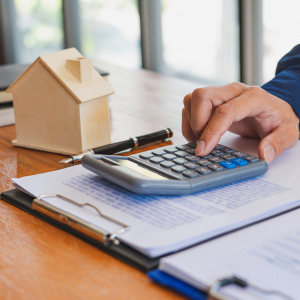
Early in my career, I treated a monthly statement balance as the payoff number. It never matched. A payoff letter comes with a good-through date, daily interest added up to that date, and any recording or wire fees baked in. If closing happens two days past that date, the number changes.
Your closing agent orders a separate payoff for every recorded lien, not just the first mortgage. Second mortgages, HELOCs, association claims, tax certificates, and judgments all need a demand letter. Each one is paid from your proceeds and should leave a record of satisfaction. In Florida, a title company or real estate attorney usually handles the payouts and the recording.
You’ve got a small part to play, and you can’t skip it. The lender won’t release figures without a signed borrower authorization, so sign it the day it lands in your inbox. Got a HELOC? The line has to be frozen and closed in writing, or a late draw leaves a balance the satisfaction won’t cover.
Order payoffs early. State law gives an HOA up to 10 business days to produce an estoppel letter, and a slow association won’t hurry because your buyer’s rate lock is running out. Estoppels carry their own good-through date and fee, too. If your closing date moves, tell the title agent that day. A stale figure found on the morning of closing can turn a Friday afternoon into a Monday.
After closing, confirm that the satisfaction was actually recorded and ask your title agent for a copy. Most lenders get it right. The one that doesn’t will surface years later, right when you’re trying to sell something else.
Want to avoid the hassle of coordinating lien payoffs and closing costs? Contact us today for a no-obligation cash offer and see how easily you can sell your Florida home.
How Do You Calculate Net Proceeds After Paying Off a Lien?
“So what’s left for me?” That’s the question that matters, and the math is simple. Start with the contract price. Subtract the mortgage payoff, then every other lien demand. Then take out commissions if you listed, title and settlement charges, documentary stamps on the deed, prorated taxes, and any credit you agreed to give the buyer after inspection.
Carrying costs are what nobody puts on the worksheet. In Pinellas County, homes took a median of 75 days to sell in the three months ending September 2026, up from 63 days a year earlier, according to Redfin’s county data. The median sale price over that stretch was about $392,000. Two and a half months of mortgage payments, insurance, and association dues come straight out of what you thought you’d net. I’ve watched sellers forget that math until closing day.
Interest and fees on an unpaid lien keep growing during that stretch, too. A judgment or tax debt doesn’t pause because your house is under contract.
I always run the numbers twice before I trust them. A listed sale assumes the first buyer performs. In older Florida housing stock, the inspection often kicks off a second round of haggling over the roof, the electrical panel, or the polybutylene pipe under the slab. Price that in as a range, not a zero.
Want the number without guesswork? Cash house buyers in St. Petersburg and other Florida cities can provide a direct buyer offer. It’s a fixed price with no commission and no repair credits, so the subtraction stops after the liens. Compare that net against the listed sale’s net and decide using real figures rather than a hopeful estimate. Pick whichever leaves you with more money and fewer months of exposure.
How Does the Due-on-Sale Clause Affect Florida Home Sellers?

A while back, I bought a duplex in Lakeland from a landlord who never wanted to be a landlord. He’d inherited it and chased rent for six years. The garage still held a tenant’s broken washer when we walked it. He asked me a fair question: could he just deed it to me and let his mortgage ride?
That’s where the due-on-sale clause comes in. Almost every mortgage written in Florida allows the lender to demand the full balance when the owner changes without the lender’s OK. The loan doesn’t travel with the house. It stays on you until somebody pays it off or the lender agrees in writing to something else.
Investors talk about subject-to offers all the time. I’m less sold on them. If someone offers to take over your payments without paying off the note, you’re keeping the risk and handing them the asset. The lender can call the balance, and it’s your credit on the line.
Insurance is the problem nobody brings up at the kitchen table. The policy is tied to the owner of record. When that changes without the carrier knowing, a claim after a hurricane is the worst time to learn the coverage doesn’t line up. If a buyer suggests leaving your loan in place, ask whose name is on the policy. Ask what happens to your credit if a payment is late in year three. The answers tend to be vague.
Some government-backed loans can be taken over with the lender’s written approval. That’s a different situation, because the lender signs off and the liability shifts. Get your servicer’s answer in writing before you sign anything.
A straight payoff at closing ends it cleanly. For the Lakeland seller, that meant walking away with cash and no loan tied to a property he’d stopped caring about years earlier. If you’re considering selling, investor house buyers in Clearwater and the surrounding Florida cities may offer a straightforward cash sale without leaving your mortgage hanging.
Frequently Asked Questions
Can I sell my Florida house if I owe more than it’s worth?
Yes, but the shortfall has to come from somewhere. Either you bring cash to closing to cover the gap, or your lender approves a short sale and accepts less than the full payoff. Short sales take longer and need the lender’s written approval before closing, so start that conversation early. To see where you stand, check how much equity you need to sell your house in Florida before you call your lender.
Will a code enforcement lien stop my sale?
It won’t stop it, but it has to be paid or settled at closing. Many Florida cities and counties will agree to a lower payoff on daily fines, especially once the problem’s been fixed. Ask the code enforcement office for a lien reduction application before you assume the full amount is final.
How long does it take to sell a house with a mortgage and other liens?
With a traditional listing, plan on the normal sale timeline plus however long each payoff and estoppel letter takes. A cash sale can close as soon as title work clears, unless a lien needs to be negotiated down. If you’d like to see what a direct offer nets after your liens, reach out whenever you’re ready, and we’ll walk through the numbers.
If you’re holding a mortgage, a lien, or both and you’d rather just know what the net looks like, a conversation costs you nothing. We’ll pull the payoffs, look at the numbers together, and if a traditional sale serves you better, we’ll tell you that too. Cash for Houses Pro can also provide a no-obligation cash offer so you can compare your options. Call us at (813) 491-8991 to discuss your options.
Helpful Florida Blog Articles