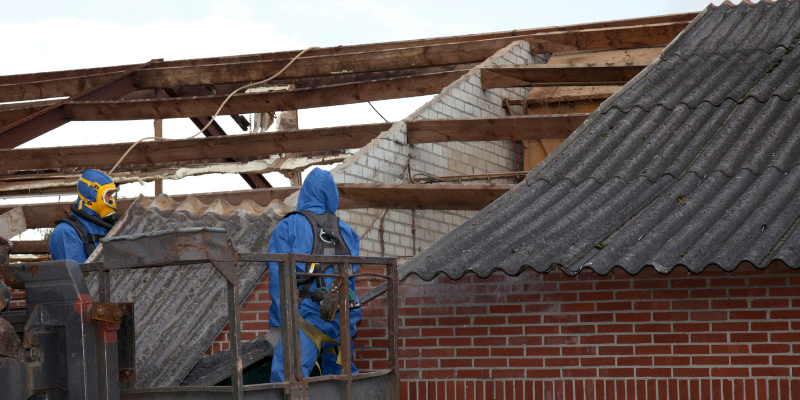
When selling asbestos-containing houses in Florida, knowledge of the legal and health issues related to asbestos is beneficial. This guide will address issues related to selling a home with asbestos, the required disclosures that support the sale, buyer remediation considerations, and whether any asbestos remediation is required. Selling a home with asbestos/asbestos-related materials is legally a prescriptive, safe, compliance, and asbestos-disclosure concern. This guide will enable you to sell a home in Florida’s ever-changing housing market.
Key Highlights
- Exposure to asbestos can cause serious health issues, including asbestosis and mesothelioma, especially in older homes.
- The Florida DEP provides guidelines for asbestos management, important for compliance in home sales.
- Sellers must disclose asbestos to ensure transparency and legal compliance in Florida real estate.
- Encapsulation or removal by certified professionals can reduce the impact of asbestos on property value.
- Clear communication and documentation of asbestos management build buyer trust and marketability.
Understanding Asbestos and Its Risks
Asbestos was commonly used for construction for its strength and heat-resistant properties. Many older homes are identified as potential sources of asbestos and should be inspected by professionals. In Florida, potential risk factors for severe respiratory illness include disturbed asbestos fibers becoming airborne and inhaled by home occupants. These illnesses include asbestosis, lung cancer, and mesothelioma. Insulation, flooring, roofing, and textured ceiling are areas in a home where asbestos is commonly found. The safety of all home occupants depends on their ability to identify these potential risk factors.
When selling a house, understanding the risks associated with asbestos is a fundamental part of the seller’s legal and ethical responsibilities. Sellers must, by Florida state law, inform potential buyers of any and all materials (including asbestos) in the house, so understanding this is both a matter of health and compliance. Given the potential risks of renovation, homeowners are urged to first contact asbestos inspectors or abatement professionals before any renovation or repair work to avoid exposure to asbestos. Knowing this, the homeowners are protecting their family’s health and the home’s marketability.
Cash for Houses Pro offer fast cash for homes with asbestos, letting Florida homeowners sell quickly and safely without costly inspections or abatement, while ensuring compliance and protecting health.
Common Asbestos Sources in a House
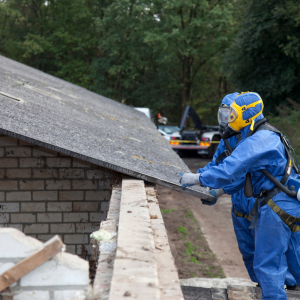
As the regulations around home building tightened, the number of homes containing asbestos in building materials steadily decreased. Asbestos was (and often still is) found in home insulation materials because of its fire-resistant properties. As the insulation ages, however, asbestos fibers may become airborne, posing a health risk to anyone living in the home. Therefore, knowing the sources of asbestos is important for the health and safety of all occupants.
Asbestos is found in wall and ceiling materials, including floor tiles, roofing shingles, and attics. Even textured paints and popcorn ceiling materials can contain asbestos. Identifying materials that contain asbestos is a careful task usually performed by professionals who can do so safely and without exposing themselves to asbestos. Asbestos is even found in some HVAC components, like duct and furnace insulation, and movement in those systems is likely to disturb asbestos fibers.
Older property homeowners should reach out to experts concerning possible asbestos-related risks. Professional guidance on whether asbestos should be encapsulated or removed will help keep tenants safe and ensure the property maintains its value. In conjunction with the steps mentioned above, regular monitoring will, to a great extent, reduce the risks of asbestos exposure and support the home’s safety and long-term preservation.
Asbestos Regulations in Florida
Before selling your home, understanding Florida’s asbestos regulations is very important. To protect public safety, Florida’s asbestos laws regulate how the public may handle, remove, and manage materials containing asbestos. These laws require homeowners to comply with the Florida DEP regulations on proper safety measures, contractor removals, and asbestos abatement procedures. These laws ensure that the necessary renovations and repairs on the property are conducted legally.
Regulations are very important in real estate transactions. Sellers who value the law and understand their compliance obligations become more transparent with buyers and begin to earn their trust. Well-managed, enclosed asbestos protects workers during renovations and keeps the property marketable. Information and compliance regarding hazardous materials, as well as California laws, enable homeowners to be responsible throughout the selling process, protect themselves, and ensure a seamless transaction.
Overview of Florida DEP Guidelines
Among the various state entities that regulate asbestos in Florida, the Florida Department of Environmental Protection (DEP) has the most comprehensive guidelines. For homes built before 1980, the DEP offers guidelines to help owners safely manage or remove asbestos, thereby reducing associated health risks. Furthermore, DEP guidelines enforcement and education help homeowners mitigate health risks and reduce their risk of legal consequences.
The DEP outlines steps to protect potential home renovation buyers, residents, and employees from exposure to contaminants. As part of DEP’s requirements, a renovation or demolition request must first undergo an inspection by an asbestos professional. After reviewing the inspection results, the asbestos professional will guide the DEP on whether asbestos encapsulation or asbestos removal is warranted. Permits are also required for asbestos removal; the asbestos project must comply with state and federal regulations.
The DEP provides guidelines for proper disposal. Asbestos can only be removed by licensed contractors. Asbestos must be transported to and disposed of at licensed disposal sites. Homeowners can avoid hefty fines by following these disposal guidelines, thereby reducing the risks associated with the property. Homes are easier to sell with the peace of mind these guidelines provide prospective buyers, thereby increasing property value.
If your Florida home contains asbestos, we offer a fast cash offer. We help you navigate DEP regulations so you can sell safely and quickly. Contact us today to get your cash offer and move forward with confidence.
State Compliance and Asbestos Abatement Requirements
For homeowners trying to make their property safe and ready to sell, understanding how to manage asbestos and the state’s laws pertaining to asbestos abatement is crucial. The state has numerous and stringent regulations to minimize asbestos exposure risk, whether from deteriorated asbestos-containing materials (ACMs) or from asbestos during remodeling. A responsible property owner understands regulations and guides property management by obtaining professional insight into potential asbestos hazards. Such an approach protects the owner’s and potential occupant’s health, as well as the owner’s legal interests.
The presence of asbestos imposes new responsibilities on Florida property owners. For safe asbestos removal and/or management, certified contractors have plans that include specific types of protective equipment, work processes, and methods to control airborne fiber exposure. These plans are designed to protect the health of the workers, occupants, and the overall property during asbestos-related renovations or construction.
The removal of asbestos and/or the air containment of affected areas to prevent the release of fibers must be documented and permitted to ensure compliance and abatement-related regulatory documentation. Creating this owner-occupant-safe environment increases the owners’ liability to occupants and provides future buyers with confidence in the property’s safety, integrity, and reduced legal liability. The home also improves in documented regulatory compliance, safety, and overall market value.
Legal Considerations for Selling a Home with Asbestos
There are both legal and practical challenges to selling a house with asbestos in it in Florida. Homeowners must comply with state and federal laws regarding asbestos to temporarily disentangle themselves from the various risks and liabilities involved with any real estate transaction. Sellers must inform prospective buyers of the existence, location, and condition of any asbestos on the property. Comprehending these regulations is beneficial because it ensures compliance with Florida state regulations, builds trust with buyers, and reduces the likelihood of legal issues.
In addition to asbestos disclosures, practical considerations must be taken into account, such as obtaining the required permits for any asbestos sampling, inspection, or abatement. Non-compliance can result in legal and financial sanctions, including liability for claims arising from asbestos-related illnesses. Homeowners who take such obligations seriously can sell their property more easily and will be able to ease the buyers’ and themselves of the concerns associated with asbestos in the house.
What Sellers Need to Know

Selling a home with asbestos in Florida involves a series of legal and practical considerations that every seller must be aware of. Asbestos, often found in older homes, requires a thorough inspection by certified professionals. Sellers should prioritize this inspection to determine whether asbestos is present on the property and in what condition. The identification phase is crucial, as it dictates the subsequent handling and disclosure obligations to potential buyers, including investor home buyers in Florida who may purchase properties “as-is.”
Once asbestos has been verified, the homeowner must comply with Florida regulations and laws governing asbestos management and abatement, including both legal and practical aspects. Depending on the condition of the asbestos, sellers may have to perform asbestos encapsulation and/or removal, which involves considerable documentation and permitting.
Sellers also have to handle potential permit issues on the sale of an asbestos-affected home. Having a permit for encapsulation or asbestos removal or working with local authorities to avoid permit issues actually avoids delays. Not telling the potential buyers about asbestos presents a legal nightmare. All of these legal issues require the seller to be active and manage them to sell the property and, of course, avoid losing the property’s value.
Disclosure Obligations to Potential Buyers
Home sellers in Florida are legally and ethically obliged to inform buyers of homes that contain asbestos. For disclosure to occur, all parties need to be informed of material facts that may affect their decision to purchase, such as the presence of asbestos, its location, condition, and the measures taken to manage asbestos-containing materials. Providing this detail constitutes informed decision-making and complies with state law and real estate practices. Additionally, early disclosure can expedite the sale.
Failing to disclose the presence of asbestos can lead to lawsuits against the seller, financial losses for the seller, and termination of the seller’s contracts with buyers. Florida state asbestos regulations require the seller to provide the buyer with a written description of the home’s asbestos problems. Trust and confidence are built, and clear communication is required, when the seller minimizes the risk of legal problems. Because of this, the seller should clearly communicate the potential legal issues that could arise and explain the asbestos-related issues to the buyer. Legally, buyers should have all the information regarding asbestos. Buyers with complete information feel most confident in their purchase decisions.
Sellers must complete these tasks before listing their home. Sellers should hire licensed experts to evaluate their home and document all their findings, including any materials that may contain asbestos. Good documentation is a testament to sellers’ transparency and is a sign to buyers that they are concerned about their home’s condition. Sellers must document all disclosures that limit their liability, build confidence, and create a more honest real estate transaction. Professional assessments will improve a home’s saleability.
Impact of Asbestos on Property Value in Florida
Asbestos is commonly found in older homes and significantly impacts property values in the Florida housing market. Buyers are extremely careful when purchasing a property because asbestos can cause long-term illnesses. Owners of property in Florida are legally bound to disclose asbestos information when selling/buying a property. This has an impact on buyer trust and buyer decision. Homes with verified asbestos take significantly longer to sell or receive significantly lower offers. Owners must take market trends and dynamics into account.
Home sellers who take the initiative to address asbestos concerns can maintain or even improve a home’s marketability. Inspections, safe asbestos removal, and professional encapsulation can be done as a demonstration of responsible management. Homeowners can reduce the impact of asbestos on the property value by managing buyer expectations, aligning sales strategies with more proactive approaches, and ensuring regulatory compliance. This also simplifies the transaction process.
Real Estate Market Insights
In the Florida real estate landscape, asbestos in homes poses notable challenges and influences buyer decisions. Properties with confirmed asbestos tend to encounter hesitance from buyers due to perceived health risks. Florida’s housing market is known for its vibrant diversity, ranging from charming historical homes to modern builds across Miami, Orlando, and Tampa. Homes built before the regulatory shift away from asbestos often contain asbestos materials, requiring careful consideration for buyers who prioritize safety and cost-effectiveness. Sellers can also work with a company that buys houses in Tampa and surrounding Florida cities to streamline the sale of such properties.
Negotiations between buyers and sellers are often complicated by information asymmetry. For example, buyers may perceive a risk of asbestos in a property and want to reduce the purchase price by factoring in remediation costs. Sellers, however, remain ethically and legally permitted to sell a property by fully and voluntarily disclosing asbestos and other information in compliance with Florida’s selling regulations.
Generally, a transparent market provides for simple real estate transactions. Sellers who have their asbestos-related issues professionally identified and recommend ways to cope with asbestos provide buyers with reassurance. Nowadays, buyers are well educated and want to purchase properties with low health risks; otherwise, they will remain in the market. Honest and thorough feedback from all such buyers can enhance the real estate market, meet expectations, and improve the property’s market value.
| Key Impact Factors | Value Reduction | Mitigation Strategies | Cost Considerations | Long-term Benefits |
|---|---|---|---|---|
| Presence of Asbestos | Decreased Market Appeal | Professional Assessment | Moderate to High | Improved Safety |
| Health Concerns | Lower Buyer Interest | Safe Removal/Remediation | Varies by Extent | Enhanced Marketability |
| Legal Requirements | Potential Legal Liabilities | Compliance with Regulations | Compliance Costs | Avoidance of Fines |
| Disclosure Obligations | Transparency Required | Clear Documentation | Administrative Costs | Trust Building |
This table underscores strategies to address asbestos impacts effectively, helping enhance property value amid market concerns.
Strategies to Mitigate Value Reduction

Minimizing the impact of asbestos on property value begins with a certified inspection. This identifies the scope of the problem and outlines the management/removal plan. Though encapsulation or removal of asbestos is a significant expense, it allows a homeowner to significantly improve the home’s marketability and relieve buyer concerns about safety and the protection of the seller’s investment. Removing asbestos from a home demonstrates strong social and corporate responsibility, especially in a competitive market.
The selling process requires clear communication. As you sell the asbestos-affected property, you should build trust with the buyer. This is done by providing accurate record-keeping and demonstrating that asbestos-related work is conducted in compliance with state requirements. Legal and health concerns documented during asbestos remediation or containment work are less worrisome, which can help the seller be more flexible in their negotiations and improve their offer. It is also evident that the seller is diligent with their property. The seller should be as open as possible with potential buyers, fostering transparency and helping the property stand out.
Showcase any improvements made to the house to defend your price. Focus on the value of renovations to address asbestos, the value of transparency during showings, and the value added by the house’s unique historical elements, coupled with a safe environment. All of these will attract buyers who are willing to pay more. Warranties and guarantees offer buyers peace of mind and may reduce their apprehension, thereby improving the property’s overall appeal. Use these suggestions in combination with targeted marketing to increase interest in the property and secure a better sale price.
Safe Asbestos Removal and Disposal: Effective Methods for Compliance and Property Safety
Dealing with asbestos requires careful planning and adherence to strict legal and safety guidelines. Knowing how to handle asbestos-related issues and properly remove and dispose of asbestos is essential to protect property occupants and avoid legal issues. This is especially true for homeowners in Florida, where asbestos compliance is the strictest.
Approaches to asbestos containment depend on the material’s location and condition. One popular method is encapsulation, which involves sealing off the asbestos and its associated container so that no airborne particulates are released. This encapsulation is appropriate when there is potential for asbestos to fragment, for example, in pipe insulation. While this is usually cheaper than full abatement, encapsulation will require inspections to ensure the seal remains intact.
Asbestos increases risk, and its full removal should be considered, along with professional asbestos removal techniques, if materials have been disturbed, are damaged, are deteriorating, and/or if any renovations/repairs are planned. This work should only be completed by specially trained and licensed risk contractors. These measures start with a removal inspection, followed by containment systems, protective gear, and asbestos air filters to seal off the affected area and prevent the movement of asbestos fibers.
Removal of asbestos is not just about proper removal techniques but also about proper disposal and follow-up steps. In Florida, laws require permits for the transportation, disposal, and removal of asbestos at certified locations. After removal, the area should be reinspected and thoroughly documented to confirm its safety and protect the owner’s legal liability in the event of a property transfer.
Selling a house with asbestos in Florida requires careful planning and adherence to state regulations. By investing in asbestos testing and employing certified professionals for removal or encapsulation, you enhance buyer trust and mitigate potential health risks. Make your home more appealing by offering peace of mind through transparency and safety certifications. As you navigate this process, resources such as downloadable guides and expert testimonials can provide further clarity and enhance your property’s marketability. Begin preparing your home today to ensure a smoother sales experience and a successful transaction.
FAQs:
What are the disclosure obligations for asbestos in Florida?
In Florida, sellers are legally required to disclose the presence of asbestos within the property to potential buyers. This includes providing detailed information about the location, condition, and any measures taken to manage asbestos risks. Nondisclosure can lead to legal consequences.
How can asbestos affect property value in Florida?
The presence of asbestos can reduce property value due to health risks and legal requirements. Buyers may be hesitant due to the potential costs for asbestos remediation. Transparency and proper management can help mitigate value reduction.
What are common sources of asbestos in homes?
Asbestos is often found in insulation, roofing, siding, and old floor tiles. It’s also present in HVAC components like duct wrap and furnace insulation, especially in homes built before the 1980s.
What strategies can mitigate asbestos-related property value reduction?
Performing a professional inspection, engaging certified abatement contractors, and documenting any remediation efforts can mitigate value reduction. Effective communication with buyers and the provision of safety certifications also help maintain property value.
What are the asbestos removal options available in Florida?
Two main options are encapsulation and removal. Encapsulation seals asbestos to prevent fiber release and is ideal when the material is intact. Removal is needed when materials are deteriorating and pose a higher risk. Both require certified professionals for safety and compliance.
How does Florida regulate asbestos management for home sellers?
The Florida Department of Environmental Protection requires licensed inspections and detailed permits for asbestos removal. Disposal must follow strict guidelines to prevent contamination and ensure safety and legal compliance during property sales.
Thinking about selling your home? Avoid the hassle and costly fixes. Cash for Houses Pro makes it simple with fair cash offers and a smooth process. Call (813) 491-8991 to get started!
Helpful Florida Blogs
- Does a Seller Pay Closing Costs in Florida?
- Selling a House with Mold in Florida
- How to Sell an Apartment in Florida
- How to Sell My Parents’ House in Florida
- Selling a House With Delinquent Property Taxes in Florida
- Documents Required for Selling Inherited Property in Florida
- Can You Sell a House As-Is Without Inspection in Florida?
- Selling a House With Foundation Problems in Florida
- Best and Worst Months to Sell a House in Florida
- Can You Sell a House with Asbestos in Florida?