How to Sell an Apartment in Florida in 2026
Selling an apartment in Florida is a good move right now. The state has no shortage of buyers. There are investors, retirees, young professionals, and vacationers here. If you play it right, you can walk away with a nice return.
But “playing it right” is the key phrase there. There’s more to this than throwing up a listing and waiting for offers to roll in.
This guide covers the steps you need to take to sell your apartment in Florida. We’ll help you get to the closing table without unnecessary headaches.
Should You Sell or Keep Renting Your Florida Apartment
There’s no universal right answer on whether you should sell. It really comes down to your numbers and your energy.
Signs It Might Be Time to Sell
- Your expenses are climbing faster than your rent income. Property taxes, HOA fees, insurance, and maintenance costs have all gone up significantly in Florida. The expenses just don’t work the way they used to for many landlords.
- There are difficult tenants or properties that always need something fixed, draining your time and money faster than the rental income replaces it.
- The market is strong in your area, and you’re sitting on solid equity. Selling now lets you cash out at a high point and put that money somewhere that works harder for you.
Signs It Makes More Sense to Keep Renting
- You have a great tenant and low expenses. You also have a solid monthly cash flow coming in. A reliable rental in a strong Florida market is a valuable asset worth holding onto.
- Rent growth is expected to pick up again through 2026 and beyond as new construction supply is absorbed. If you can afford to wait, the income potential only gets better.
- You’re not in a rush, and the property is appreciating. Sometimes, staying put and letting time do the work makes more sense.
Factors That Affect Property Values in Florida

Before you even think about pricing your apartment, it helps to understand what’s driving value in your specific corner of Florida. Two apartments in the same city can sell for very different amounts, and it usually comes down to a few consistent factors.
Location and Proximity to Amenities
Florida buyers aren’t just buying square footage. They’re buying into a lifestyle.
An apartment a few blocks from the beach or a buzzing entertainment strip will almost always command a higher price than a comparable unit further inland.
Proximity to major metros like Miami, Tampa, and Orlando carries weight, too. The more your apartment delivers on the Florida fantasy, the more leverage you have when offers start coming in.
Florida’s Tax-Friendly Environment
Florida attracts so many out-of-state buyers and investors year after year because it’s a no-income tax state. People moving from high-tax states see Florida property as a great financial move, not just a lifestyle one.
That steady stream of tax-motivated buyers helps keep demand strong, which works in your favor when it’s time to sell.
Demand From Retirees, Vacationers, and Young Professionals
One of Florida’s biggest strengths as a market is the number of different types of buyers who are actively looking at any given time.
Some retirees want the warm weather and slower pace. Meanwhile, young professionals are pouring into cities like Tampa and Orlando. Vacationers also want a unit they can enjoy and rent out when they’re not around.
That kind of buyer diversity is useful when you’re selling. It means you’re not relying on one narrow pool of interest. You’ve got options.
The Role of Investor Home Buyers in Florida’s Housing Market
Investors account for a large share of Florida’s buyer activity. Nationally, about 13% of apartments purchased in 2024 went to investors, and Florida consistently sits above that average.
If your apartment has a tenant with a clean payment history, some sellers worry that it’ll scare buyers off. But, for the right investor, a reliable tenant is a selling point, not a red flag.
Best Time of Year to Put Your Florida Apartment on the Market
Florida’s market really heats up during spring and early summer. Families are trying to get settled before the school year starts, and snowbirds are actively looking. There’s just more energy in the market overall.
More buyers competing for the same listings usually means stronger offers and less time sitting on the market.
The holiday window from late November through January is quieter, but that’s not necessarily a bad thing.
Inventory drops during that stretch, so your apartment gets more attention from the buyers who are still actively searching. Those buyers tend to be serious.
Hurricane season runs from June through November and can cool things down a bit during active storm periods. If your timeline is flexible, it’s worth paying attention to.
Listing during a calm stretch in the season can work just as well as listing in peak spring, especially if you’re not in a rush.
Looking to sell your apartment for cash in Florida? Get a fair offer and close fast without the hassle.
Things to Do Before You List Your Property

You’re leaving money on the table if you don’t do any prep work. Many sellers list too early and then spend the next few months dealing with lowball offers and buyer repair requests. A little effort up front saves a lot of pain later.
Get a Pre-Listing Inspection
Getting your own inspection before you list means you find out about any issues on your own terms, not the buyer’s.
You can fix what matters and disclose what you need to, so you can walk into negotiations with full confidence.
Buyers notice when a seller has nothing to hide. In fact, it makes them a lot more comfortable moving forward. That may mean a faster sale and a much better chance of protecting your asking price.
Make Repairs and Improvements Worth Doing
Not every fix deserves your time and money, so you really need to choose your battles wisely. Small things like scuffed walls and broken fixtures might seem minor, but they mean a lot to a buyer. They quietly pull down what the buyer is willing to offer.
Kitchens and bathrooms give you the best bang for your buck. Florida buyers expect things to look fresh and move-in ready, so anything that looks tired or dated is worth sprucing up.
Just don’t go overboard. Fix what needs fixing and freshen what’s looking worn, then call it done. You’re selling the place, not living in it.
Stage Your Florida Apartment for Buyers
Good staging doesn’t have to cost a fortune. Most of the time, it comes down to clearing clutter and bringing in some neutral textiles. Getting the lighting right and making sure the place actually smells good when buyers walk in also makes a big impact.
The whole point is to help buyers picture themselves living there. Bright and neutral works every single time in this market.
If the unit is sitting empty, virtual staging is a smart and affordable move. Empty apartments feel cold and are surprisingly hard to visualize. A few well-placed digital furnishings in your listing photos can completely change how buyers respond to the space.
Gather Your Documents Before the Home-Selling Process Begins
Hunting for paperwork in the middle of a transaction slows everything down and honestly makes buyers a little nervous.
Get your deed, renovation permits, HOA documents, rental income records, and recent utility bills together before you list. If there’s a mortgage on the property, pull a current statement showing the balance.
Walking into the process organized tells buyers you’re a serious seller. It keeps things moving and takes a whole lot of stress off your plate down the line.
At Cash for Houses Pro, we buy apartments in Dade City and nearby areas, making it simple for homeowners to sell fast.
Selling Your Apartment in Florida When Tenants Are Still in It
This is the section that makes many sellers anxious, and it really doesn’t need to. Having tenants in place when you sell is completely normal in Florida, especially with investment properties. You just need to handle it the right way so nobody ends up frustrated.
Honor the Lease and Give Tenants Reasonable Notice
The lease doesn’t go away just because you’ve decided to sell. In most cases, it transfers directly to the new owner, and buyers come in knowing they need to honor whatever terms remain.
If there are months left on a fixed-term lease, those months are locked in. Florida law also requires at least 12 hours’ notice before you enter the property for showings, so make sure that’s part of your routine from day one.
For month-to-month tenants, you have more flexibility. You can give notice to vacate, just make sure you check Florida’s specific rules on how much notice is required based on how long they’ve been there.
How to Handle Showings With Tenants in the Property
Occupied unit showings can go sideways if the communication isn’t there from the start. That’s why you need to be upfront with your tenant about what’s happening. Give them plenty of notice before anyone comes through the door.
One great move is bringing in a cleaning service so the place stays show-ready. It keeps the unit looking its best without putting extra pressure on your tenant.
A small thank-you gesture, like a rent discount or a gift card, for their cooperation can go a really long way, too.
We’ve seen many sales collapse simply because a seller and tenant weren’t communicating well. A little goodwill at the beginning is always worth it.
Using a Good Tenant as a Selling Point for Buyers
If your tenant pays on time and keeps the place in good shape, stop thinking of them as a complication. For investor buyers, a reliable tenant is one of the best things your listing can offer.
When you list, include the details investors actually care about. That includes monthly rent amount, lease expiration date, payment history, whether utilities are covered, and how well they maintain the unit.
That kind of upfront transparency builds buyer confidence and moves your apartment straight to the top of a serious investor’s shortlist.
How to Sell an Apartment in Florida

Now that you’ve done the prep and handled the tenant stuff, you’re actually ready to sell. Here are detailed steps to follow.
Step 1: Hire a Florida Real Estate Professional Who Knows Investment Properties
Regular experts are fine for regular apartment sales. But an apartment with a tenant, a lease, and rental income history? That needs someone who’s actually done this before.
You want an expert who knows how to market to investors and understands Florida’s disclosure rules for rental properties. They should also know how to price your unit based on real comparable data. The right expert pays for themselves many times over. A 2024 NAR report found that expert-assisted sales closed at significantly higher rates than FSBO sales, so the commission is almost always worth it. That is, if you find the right expert.
Step 2: List Your Property and Market It
A great listing does a lot of the selling for you. You need a professional since buyers scroll quickly, and bad photos kill interest before it even starts.
Tailor the description to your most likely buyer. If your target is investors, lead with rent history and income potential. For the owner-occupant possibility, play up the lifestyle and location.
Your expert should know exactly where to post it and how to position it to get the right people through the door fast.
Step 3: Schedule Showings and Open Houses
Showings can get chaotic, especially with a tenant in place. You should start with scheduling and give proper notice every time. Moreover, you should keep the unit as accessible and presentable as possible.
Buyers notice everything during a showing. A tense relationship between seller and tenant is one of those things that’s hard to hide and easy to misread as a red flag.
Step 4: Review Offers and Negotiate With Buyers
First offer in and it feels exciting, but slow down before you react. Price matters, but so do the terms attached to it.
A clean offer with fewer contingencies and good financing can easily beat a higher number that comes with a mountain of conditions.
Have your expert break down each offer properly and know your bottom line going in. Always negotiate from a place of confidence, not desperation.
Step 5: Handle Inspections and Appraisals
Buyers will order their own inspection, and this is usually where sales start to wobble. If you skipped the pre-listing inspection earlier, you’ll feel it here.
Appraisals can also throw a wrench in things if the number comes in lower than the agreed price.
Your expert should have comparable sales ready to back up your valuation if that happens. Being prepared here keeps you in control of the conversation.
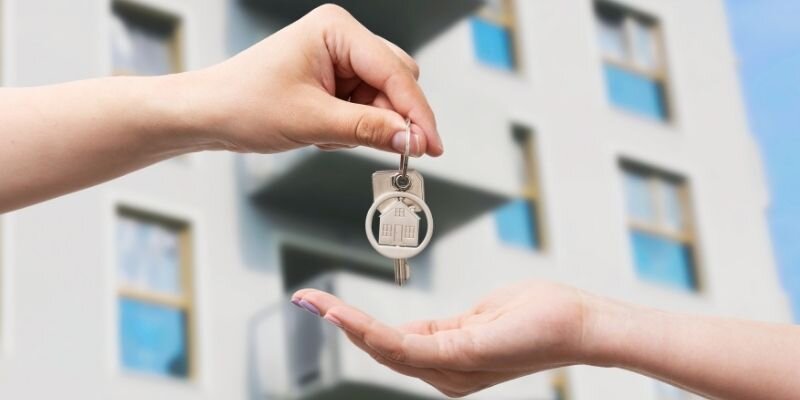
Step 6: Close the Sale and Hand Over the Keys
Florida closings typically go through a title company or real estate attorney. You sign the documents, and the funds get transferred. Keys change hands, and that’s it.
Just make sure your tax situation is sorted before you get to this point. Capital gains don’t figure themselves out, and walking into closing without knowing what you owe is a stressful way to end what should be a great day.
Costs to Expect When Selling Your Florida Apartment
Many sellers focus entirely on the sale price and forget to account for what comes in before they actually see that money. Here’s what to plan for so nothing catches you off guard at closing.
| Cost | What to Expect |
| Expert Commission | Typically, 5% to 6% of the sale price. On a $300,000 apartment, that’s $15,000 to $18,000 |
| Title Insurance | Florida sellers typically pay for the owner’s title policy. Expect around $1,000 to $2,500, depending on the sale price |
| Documentary Stamp Tax | Florida charges $0.70 per $100 of the sale price. On a $300,000 sale, that comes out to $2,100 |
| HOA Estoppel Fee | Florida caps this at $299 for most associations, but it can go higher for delinquent accounts |
| Pre-Sale Repairs and Staging | Anywhere from a few hundred dollars for minor touch-ups to $5,000 or more for bigger updates |
| Prorated Property Taxes | You’ll owe property taxes up to the closing date, prorated based on Florida’s annual tax cycle |
| Capital Gains Tax | Long-term rates are 0%, 15%, or 20% depending on your income. Short-term gets taxed as ordinary income, which can hit 37% |
| Mortgage Payoff | Your remaining loan balance plus any prepayment penalties your lender may charge |
When you add up all the costs before listing, you get a clearer idea of what you will actually take home, not just what the sale price shows on paper. If you want a simpler option with a straightforward offer, Contact Us at Cash for Houses Pro.
Capital Gains Tax Implications When Selling Your Florida Property
Florida’s lack of a state income tax is very advantageous to you. But federal capital gains taxes still apply, and they can take a bigger chunk than you’re expecting if you haven’t planned for it.
The basic calculation is this. Whatever profit you made from the sale gets taxed. If you held the property for more than a year, you’re looking at long-term capital gains rates of 0%, 15%, or 20%, depending on your income bracket.
If you sell it within a year, that profit is taxed at your ordinary income rate. For most people, that is a significantly higher number.
Then there’s depreciation recapture. If you’ve been writing off depreciation on the property over the years, the IRS treats that as income when you sell and taxes it at up to 25%. A lot of sellers don’t see this coming, and it can make the final tax bill way bigger than anticipated.
The single best thing you can do is talk to a tax professional before you list. Not after the sale closes or during escrow. Before.
If you know your numbers ahead of time, you can make smart decisions around them, whether that’s timing the sale differently, exploring a 1031 exchange, or just mentally preparing for what you’ll walk away with.
How a 1031 Exchange Can Help You Defer Taxes
If you’re planning to reinvest your profits into another property, a 1031 exchange is one of the best tax moves you can make.
It lets you sell your Florida apartment and roll the proceeds into a like-kind property without paying capital gains tax right away. You’re not avoiding the tax forever, just pushing it down the road while your money keeps working for you.
The timeline is strict, though. Once your property sells, you have 45 days to identify a replacement property and 180 days to close on it. If you miss those windows, the tax exemption is gone.
“Like-kind” is also broader than most people think. You can sell a Florida apartment and buy a rental apartment in Texas, a commercial space, or a multifamily property somewhere else.
As long as it’s an investment property going into another investment property, you’re generally in the clear.
One thing worth knowing is that you can do a 1031 exchange as many times as you want. Some investors have been rolling gains from property to property for decades without ever paying capital gains tax on any of it.
It’s one of the best tools available to real estate investors, and not enough people use it.
Selling Your Apartment in Florida to Cash Buyers
Cash buyers are worth knowing about if your situation is even a little complicated, or if you just want to skip the usual back and forth.
There are no lenders involved, so you don’t need to wait for financing approval. The sale moves fast and closes clean.
We’ve worked with sellers who had tenants in place and properties that needed work. We’ve also dealt with timelines that didn’t fit the traditional market. A cash offer solved all of it.
It costs nothing to get a cash offer from Cash for Houses Pro and compare it against what the open market might bring. Having that number in hand gives you a much clearer picture of where you actually stand.
FAQs:
Can You Sell an Apartment in Florida With Tenants Still Living in It?
Yes, you can sell an apartment in Florida with tenants in it. Happens all the time, actually. The lease transfers to the new owner, so buyers come in knowing they’re taking on whatever terms are left. If your tenant is month-to-month, you have more flexibility to give notice before listing. Either way, it’s very doable and doesn’t have to slow things down.
How Long Does the Home-Selling Process Take in Florida?
It depends on how you sell. A traditional sale with a financed buyer typically takes 30 to 60 days from accepted offer to closing. You’re usually looking at a few months total, including the time to prep and list the property. Cash sales move much faster and can close in as little as two weeks.
Do You Need a Real Estate Professional to Sell an Apartment in Florida?
You don’t legally need one, but having a good expert almost always works in your favor. Expert-assisted sales consistently close at a higher rate than FSBO sales. An expert who knows investment properties will handle pricing, marketing, disclosures, and negotiations so you don’t have to figure them out yourself.
What Taxes Do You Have to Pay When Selling Property in Florida?
Florida has no state income tax, which is a nice advantage. But federal capital gains taxes still apply based on how long you’ve owned the property and what your profit looks like. If you’ve been claiming depreciation, the depreciation recapture tax is also on the table. Talk to a tax professional before you sell so none of this catches you off guard.
What is the Fastest Way to Sell an Apartment in Florida?
Selling to a cash buyer is by far the quickest way to sell an apartment in Florida, because there are no financing delays or lengthy negotiations. If speed is the priority, a cash offer gets you to closing faster than any other option on the table.
Key Takeaways: How to Sell an Apartment in Florida?
Selling an apartment in Florida is a genuinely good move when you do it right. You should prep the property and price it based on real market data. It’s also ideal if you get your tax strategy sorted before you list. Those three things alone put you ahead of most sellers out there.
If you don’t want to do any prep work and just want to get it done, Cash for Houses Pro makes it simple. Call (813) 491-8991 and get a no-obligation cash offer on your Florida apartment with no waiting around.
Helpful Florida Blogs